

Online EMDR therapy in New York
EMDR is an effective, clinically proven brain therapy for processing trauma and negative effects from our past

What It’s Like Working with Us
Most insured members have a $0 copay
Your plan may already cover your care. We accept:






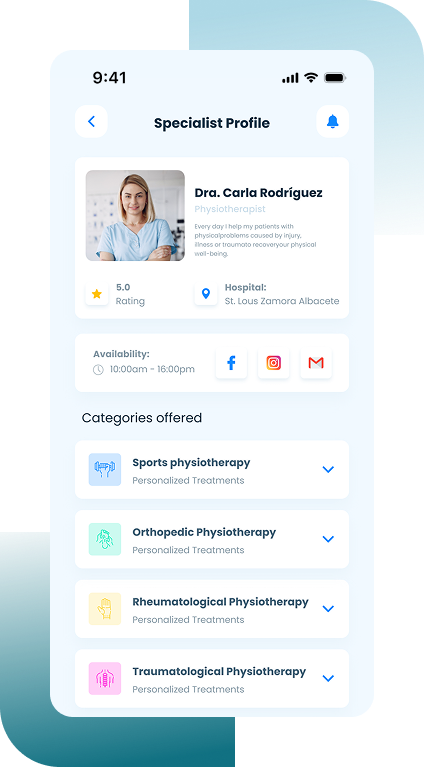
Share what you need help with
Click Get Started and fill out a short form. Share what's brought you to EMDR, whether it's a past experience, ongoing distress, or something you've tried to work through before.
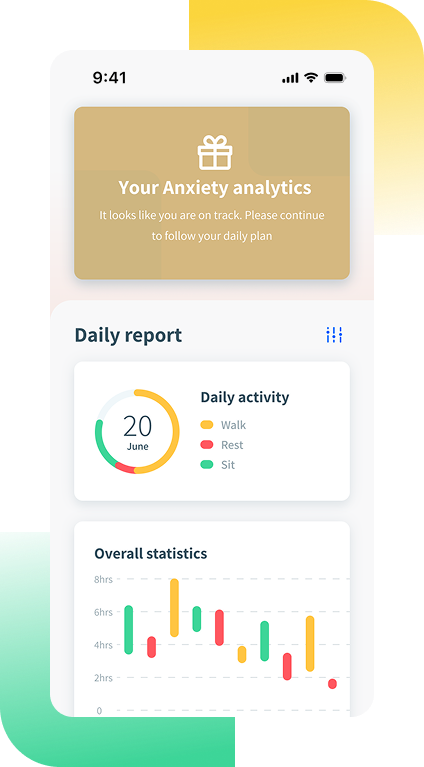
Book your care coordination call
Our care coordinator will match you with a licensed EMDR-trained therapist and walk you through how EMDR works, so you know what to expect.
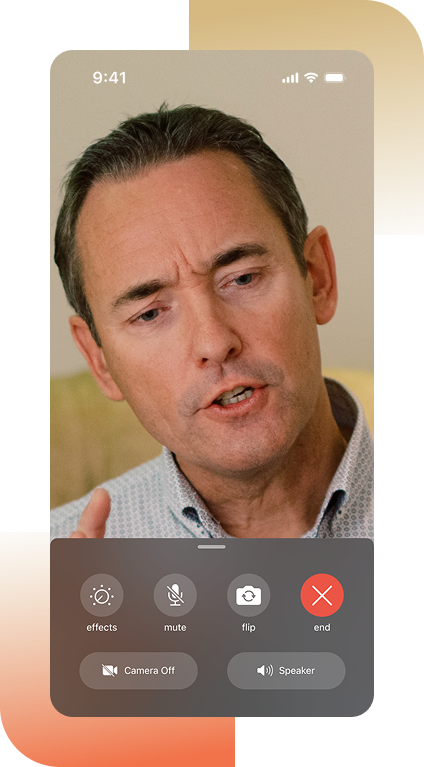
Start your sessions via telehealth
Begin EMDR with your therapist from wherever you feel most comfortable in New York State, and move toward resolution and relief.
EMDR therapy online in 3 easy steps
Share what you need help with
Click Get Started and fill out a short form. Share what's brought you to EMDR, whether it's a past experience, ongoing distress, or something you've tried to work through before.
Book your care coordination call
Our care coordinator will match you with a licensed EMDR-trained therapist and walk you through how EMDR works, so you know what to expect.
Start your sessions via telehealth
Begin EMDR with your therapist from wherever you feel most comfortable in New York State, and move toward resolution and relief.



Your copay could be as low as
$0
Average copay per session for covered members is
$15*
Access affordable EMDR therapy, with or without insurance
Mental health care is made affordable with Peaceful Psychotherapy. We partner with health plans, employee assistance programs (EAP), and educational organizations to remove the cost barrier to EMDR therapy online.
*Copays represented are averages for Peaceful Psychotherapy members. Please check your insurance coverage; your final copay may vary based on your coverage.
Any questions?
Find trusted answers about EMDR therapy with Peaceful Psychotherapy.
EMDR (Eye Movement Desensitization and Reprocessing) is a therapy approach designed to help people process and heal from traumatic or distressing experiences. It uses bilateral stimulation — typically through guided eye movements, tapping, or tones — to help the brain reprocess memories that may feel “stuck.” Over time, this can reduce the emotional intensity of those memories and make them easier to live with.
No. While EMDR was originally developed for PTSD, it’s now widely used to help with many concerns, including anxiety, panic, grief, phobias, relationship issues, and low self-worth. You don’t need a formal PTSD diagnosis to benefit from EMDR — many people use it to work through a wide range of difficult or unresolved experiences.
EMDR helps your brain reprocess distressing memories in a way that’s more adaptive and less emotionally charged. During sessions, you’ll focus on an aspect of a memory while engaging in bilateral stimulation, which helps your nervous system integrate the experience. You remain in control the entire time, and the process is designed to reduce the emotional weight of what you’re carrying — not to make you relive it.
At Peaceful Psychotherapy, EMDR is paced carefully and collaboratively. Early sessions focus on preparation — helping you build tools for grounding and emotional regulation. Once you're ready, your therapist will guide you through the reprocessing phase, using bilateral stimulation while you focus on specific memories. Sessions include frequent check-ins to keep you feeling supported and present.
That depends on your unique situation. Some people notice significant shifts after just a few sessions, especially when targeting a specific memory. Others benefit from longer-term work, particularly when processing complex or early-life trauma. Your therapist will work with you to set goals and tailor the process to your needs.
Yes — EMDR can be done effectively through online sessions. Our therapists are trained to deliver EMDR virtually using tools that replicate bilateral stimulation, such as visual cues, alternating audio tones, or tapping techniques. Many clients find online EMDR to be just as impactful as in-person sessions, with the added convenience of doing it from home.
Yes. EMDR is a well-established, evidence-based therapy that is typically covered under general mental health benefits. Peaceful Psychotherapy is in-network with Aetna, Cigna, Anthem BCBS, Optum, and UnitedHealthcare. We’re happy to verify your benefits and help you understand your coverage before starting.
Not necessarily. Everyone experiences EMDR a little differently. While strong emotions may come up, they’re often no more intense than what you might encounter in regular therapy or everyday life. Our therapists are trained to keep you within your window of tolerance — meaning we’ll go at a pace that feels safe and manageable. Your comfort and emotional safety are always a top priority.